Driving a High-Profile Trailer in High Wind on the QEW and 407
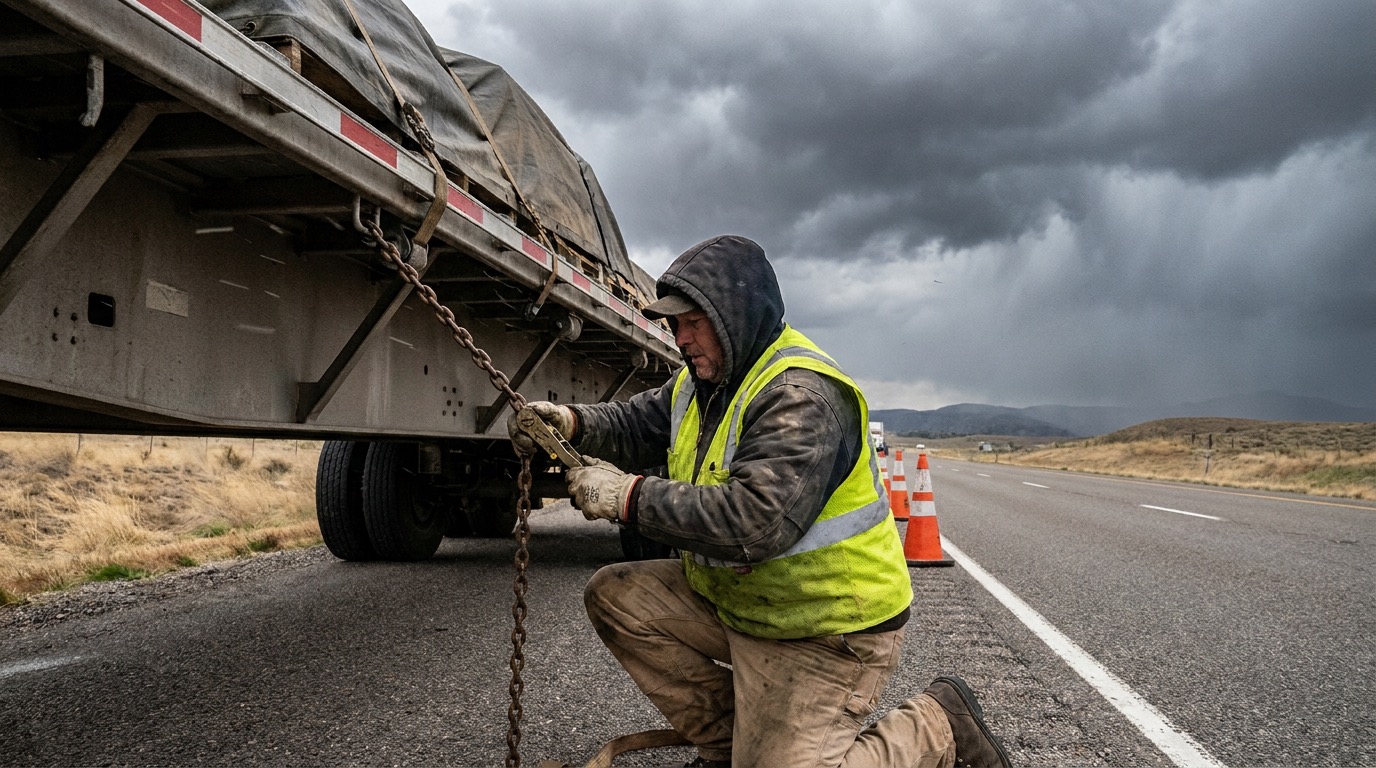
Certain stretches of the QEW along the lakeshore and the elevated sections of the 407 catch crosswinds that can push even a loaded trailer around, and an empty or lightly-loaded van is far more exposed than most drivers expect.
Know Which Stretches Are Exposed
Bridges, overpasses, and open lakeshore sections lose the wind-blocking effect of trees and buildings that shelters most of the highway. Wind gusts on these stretches can arrive suddenly rather than building gradually, which is what catches drivers off guard.
Slow Down Before You Need To
Reducing speed lowers the sideways force a gust can apply and gives you more room to correct without overreacting. Waiting until the trailer is already drifting to react leaves much less margin for error.
Keep a Light, Steady Grip
Over-correcting a wind gust is often worse than the gust itself. A light, steady hand that makes small adjustments keeps the trailer tracking straight far better than a hard jerk on the wheel.
Know When to Pull Off
If gusts are strong enough that the trailer is genuinely fighting you, especially empty or with a light load, there's no shame in finding a safe spot to wait it out. A short delay costs far less than a rollover.
If high winds push a trailer into a guardrail, crack a marker light, or shift a load enough to trip an axle sensor, Onecall Roadside Repair dispatches mobile technicians across the QEW, 407, and every GTA corridor in between, 24/7. Call +1 (289) 943-7205.